Children’s Commissioner welcomes ban on social media for under-16s
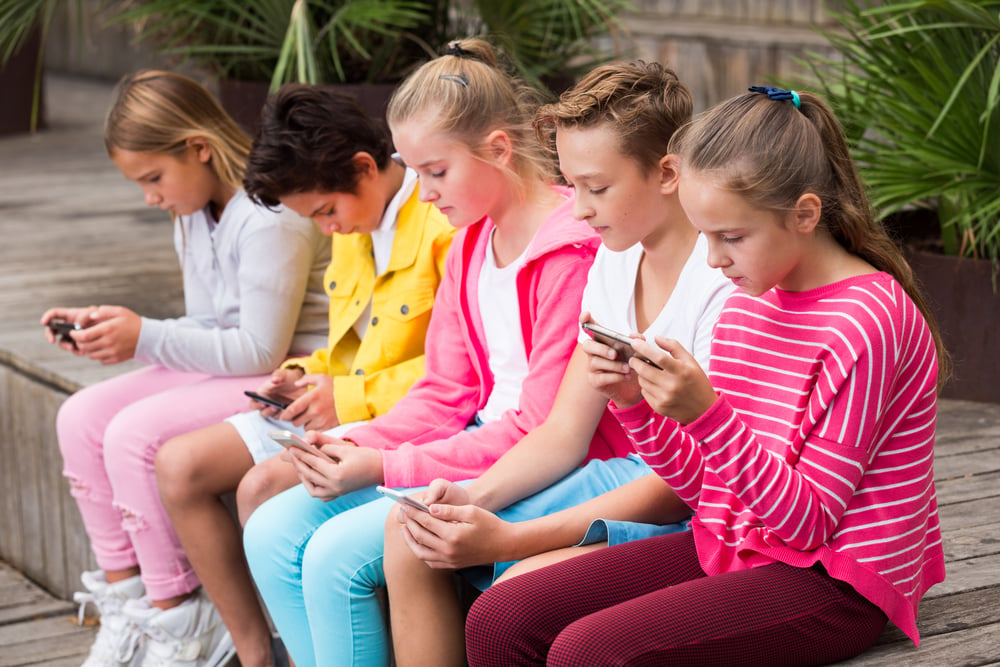
As has been widely reported in the media the Government has announced that from spring next year children under the age of 16 will be banned from accessing a range of social media platforms.
A full list of the platforms to be affected by the ban has yet to be published, but the Government has stated that YouTube, Facebook, X (formerly Twitter), TikTok, Snapchat and Instagram will be included.
Messaging apps such as WhatsApp will not be banned, which is good news, as these apps are often used by parents, including separated parents, to communicate with their children.
The ban has been broadly welcomed by the Children’s Commissioner for England Dame Rachel de Souza, who said: “Children have told me time and again that they want to be protected online … Today’s announcement – banning certain social media platforms for under 16s and stopping children accessing harmful functions such as livestreaming and stranger communication – is a positive response to what children have been telling me.”
The Commissioner did, however, warn that the measures will only be as strong as their enforcement. Research in Australia, which has had a ban since December, suggests that children have been able to get around the restrictions. And Nicola Killean, the Children and Young People’s Commissioner Scotland, has indicated that she believes the ban will be unenforceable.
The announcement has not been universally welcomed. For example, Rocio Cifuentes, the Children’s Commissioner for Wales Has warned that: “age-based restrictions on their own will not make the internet safer. Evidence from children shows that harms are not limited to a narrow group of platforms, and that young people will often find ways to navigate around restrictions where digital life is so important to them. There is a real risk that activity could shift into less visible or less regulated spaces if the focus is too narrow.”
The platforms themselves have also warned that a blanket ban would move children into more unsafe online environments.
Obviously, we will have to wait until the ban has been in force for a significant period and its effects properly assessed, before we can draw any definitive conclusions.
Meanwhile, the question arises: Will the ban have any direct relevance to family law?
Well, quite possibly. One can easily imagine for example allowing a child to view the banned platforms on an adult’s phone being regarded as a form of child abuse, and allegations of this nature being used by parents involved in disputes over arrangements for their children.
And there is also the possibility that the ban will break or weaken connections between separated family members, particularly those who live in different countries, who use social media platforms such as Facebook and Instagram to keep up with what each other is doing.
Social media now plays such a huge role in the lives of children that the ban will doubtless have many other consequences, as yet unforeseen.
You can read the Children’s Commissioner for England’s full statement here.
* * *
Family Law Cafe gives you the best strategy to achieve the right outcome for you and your family and keeps them informed and in control 24/7 through a unique and secure online portal. Family Law Cafe is your start-point for getting matters sorted with strategy, support and security.
Image: BearFotos / Shutterstock.com
